

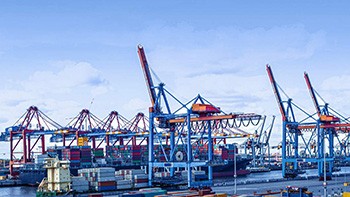


The peak season for the global air freight market is approaching, with both volume and price increasing, and intercontinental trunk cargo spaces becoming tighter
In the fourth quarter, we entered the traditional stocking cycle of Black Friday and Christmas in Europe and America, and the global air cargo market officially ushered in the annual peak season. The cargo volume and freight rates increased synchronously, and the cabin space on intercontinental routes continued to tighten. According to research data from comprehensive freight forwarding agencies and airlines, global air freight demand maintained strong growth in September, with limited expansion of overall capacity supply and a continued widening supply-demand gap, driving a significant year-on-year increase in air freight market rates.
From a route by route perspective, the Asia North America route is the core driving force of this peak season, with concentrated shipments of high efficiency goods such as consumer electronics, holiday gifts, clothing, AI related hardware, and strong demand for cargo pallets; Due to limited belly cargo capacity and tight resources for all cargo aircraft, there is significant upward pressure on the prices of charter and chartered flights on the US route. The competition for priority seats (urgent cargo, high-value cargo) is particularly fierce, and the pre booking period for some popular airports has been extended.
The trend of European air routes has shown structural differentiation: due to the impact of the EU's low value small parcel tax reform, the EU will cancel the tax-free policy for cross-border small parcels below 150 euros from July 2026, impose a fixed transitional tariff of 3 euros on each type of goods, and add supporting processing fees in November, directly suppressing the air freight volume of cross-border e-commerce direct small parcels. The air freight supply of small parcels for European e-commerce has fallen slightly. However, the bulk air freight of European oriented general cargo, manufacturing samples, and brand stocking in overseas warehouses remains stable, and the overall Asia Europe trunk line has not weakened, only the pallet structure has shifted from small packages to bulk stocking in overseas warehouses.
From the supply side analysis, multiple factors that constrain the release of transportation capacity still exist: belly compartments of passenger flights are an important source of air transportation capacity, but the growth of international passenger flights has slowed down; The expansion cycle of the all cargo aircraft fleet is long and cannot be rapidly increased in the short term; At the same time, there is a risk of flight disruptions in some aviation hubs in the Middle East, which further reduces available transit capacity and increases the risk of fluctuations in fuel surcharges.
Industry forecasts indicate that October and November will be the peak window for this air freight season, and the tight supply of intercontinental mainline cabins will continue. Short term cabin premiums and the risk of cabin cancellations near Black Friday will significantly increase. It is recommended that foreign trade shippers lock in the contracted cabin space in advance and try to stagger shipments as much as possible; Reserve fluctuation space for freight rates and fuel surcharges in the quotation budget; Sellers heading to the European Union should re evaluate the cost of direct delivery of small packages, prioritize the option of bulk stocking in overseas warehouses, and simultaneously classify the HS codes of goods and conduct early review of customs clearance documents to reduce the risk of customs clearance delays.